Phosphanol: Unveiling Crucial Insights
Historical Development
Chemistry carries some fascinating stories, and phosphanol stands among the lesser-known but surprisingly impactful ones. Back in the mid-20th century, new forms of phosphorus-containing compounds kept popping up as researchers explored alternatives to basic organophosphorus skeletons. Chemists tinkered in labs, blending hydroxyl groups and phosphorus moieties, giving birth to what would become phosphanol. Early documentation came out of Central European universities, where scientists kept searching for easy ways to derive reactive phosphorus intermediates without harsh reagents. The practical use case didn’t catch on instantly. For decades, the compound lived in the shadow of its phosphonate and phosphate cousins. Eventually, researchers in advanced materials and agrochemical sectors started to see its promise—a usable, versatile building block, not just a niche chemical curiosity. The growth of interest often seemed tied to technological bottlenecks, with phosphanol riding waves of attention any time a specific property or unique reactivity helped solve persistent lab problems or streamlined processes in the chemical industry.
Product Overview
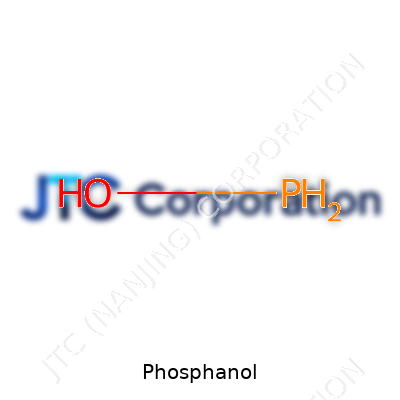
Phosphanol stands as an organophosphorus compound integrating both a phosphorus and a hydroxyl group. In real-world settings, this means it offers synthetic flexibility and unique reactivity that many chemists crave. Many suppliers offer commercial-grade phosphanol with varying purities, most tailored for research and specialty production. Its appeal stretches from tiny glass vials in academic labs to bulk drums in pilot facilities. Simple, but effective, labeling distinguishes hydrous or anhydrous varieties. The end user needs to know key details, since trace water or contaminants can interfere with critical downstream reactions. Industry-specific codes, batch numbers, expiration details, and safety warnings usually accompany every shipment, reinforcing the focus on traceability and regulatory compliance.
Physical & Chemical Properties
Ask anyone who has worked with phosphorus chemicals: minute differences in structure create pronounced changes in handling. Raw phosphanol tends to look like a viscous or oily liquid, sometimes a low-melting solid, with a faint, biting aroma common to phosphorus organics. What matters in daily handling ends up being reactivity and solubility. Phosphanol dissolves well in polar solvents such as ethanol or acetone, but it has a tendency to react with strong acids or oxidizers, making it sensitive in mixed chemical environments. Its boiling point usually falls in a moderate range, so open heating procedures need careful ventilation. Color varies with purity, and trace oxidation will deepen its hue—a handy visual tip for chemists running synthesis in open air. Over time, phosphanol oxidizes if left unprotected, so air-tight storage remains essential.
Technical Specifications & Labeling
Beyond chemistry class, real products show wide quirks. For quality phosphanol, purity standards above 97% remain common for lab work. Each bottle or drum lists the lot number, the net chemical weight, and any stabilizers present in the product. Operators scan QR codes or bar codes linking to SDS sheets, minimizing paperwork errors and supporting clearer digital record-keeping. Modern supply chains emphasize batch consistency, so third-party certification often spells out trace impurity levels, water content, and occasionally even isotopic ratios for buyers in advanced research sectors. Hazard pictograms flag corrosiveness or toxicity, which prevent casual mishandling. For labs, this offers peace of mind and reinforces strict internal auditing.
Preparation Method
Phosphanol does not come easy from natural sources, forcing synthesis from phosphorus trichloride, trialkyl phosphites, or even alkyl phosphonates through controlled hydrolysis or alcoholysis. These processes usually rely on tightly regulated temperatures and specialized glassware. Alkali-catalyzed approaches help control the rate and quality of the transformation, reducing side products and chasing down maximum yield. Experienced chemists appreciate the importance of fast quenching and vacuum removal of volatile byproducts. In some pilot operations, in-line distillation preserves a clean phosphanol fraction without unnecessary exposure to atmospheric moisture. Controlling the pH of the workup affects purity and stability more than most newcomers anticipate, leading to either crystalline solids or viscous oils. Small tweaks in reagent ratios and reaction times translate clearly to quality differences, which means every batch becomes an experiment in optimization.
Chemical Reactions & Modifications
Few organophosphorus species compare with the lively reactivity of phosphanol. Its nucleophilic phosphorus center lets it serve as both a reactant and a catalyst scaffold in syntheses covering coordination chemistry, agrochemicals, and even pharmaceuticals. Phosphanol handles alkylation and acylation with control, giving chemists a launching pad for ligands, biophosphonates, or metal-complex precursors. In oxidation reactions, the compound transforms to phosphonic acids or esters, offering a route to many phosphorus-based specialty chemicals. With halogenating agents, phosphanol yields phosphoryl chlorides, creating a path thence to broader downstream derivatives. Advanced modifications harness the hydroxyl-P bridge, opening chances for stereoselective transformations, pivotal in chiral drug production. The diversity of its chemical partnerships shapes its presence in both fine chemical and industrial arenas, reinforcing its standing as a handy synthetic building block.
Synonyms & Product Names
Names in chemistry worlds rarely stay fixed, and phosphanol goes by a handful of commercial and scientific labels. Common trade names appear in technical catalogs as Phosphinol, Hydroxyphos, or sometimes by IUPAC descriptors like hydroxydihydrophosphine. Variants crop up in patents under generalized classes, and regulatory filings can attach proprietary tags especially in multinational trade. For buyers and R&D operators, clarity in ordering means cross-checking synonyms so the right compound lands in the right lab with no surprises. Historical literature sometimes mentions it as “phosphorus alcohol,” though most researchers shifted to explicit structural names for regulatory reasons. The multiplicity of labels sometimes creates confusion in purchasing, legal import, or scholarly citation, so firms and labs increasingly attach CAS numbers and QR codes to leave no doubt.
Safety & Operational Standards
Working with any reactive phosphorus compound, including phosphanol, brings safety to the top of mind. Even small leaks bring health hazards, including skin irritation, acute eye damage, and respiratory distress if fumes build up in closed spaces. Proper PPE—nitrile gloves, lab coats, full goggles—sits next to every storage shelf, with fume hoods as the minimum standard for any handling. Spill kits must contain neutralizing agents and absorbent pads chosen for phosphorus organics, not just generic solvent wipes. Storage facilities keep bottles in temperature-controlled, dry spaces, far from peroxides or oxidizers, halting dangerous runaway reactions. Emergency eyewashes get checked regularly, not left as dusty afterthoughts. Safety data sheets push for continuous ventilation, regular leak checks, and medical surveillance of operators. Regulations now force facilities to document all interactions and track personnel exposure, helping spot trends or near-miss events before they threaten health or compliance status.
Application Area
Phosphanol’s reach stretches far from the academic bench. Agrochemical and pesticide blending outfits employ it as a reactive intermediate for crafting more advanced, selective organophosphorus reagents. Advanced materials scientists tap it as a foundational block for ion exchange resins or hybrid materials where phosphorus plays a key electrochemical role. In pharmaceuticals, lab teams chase down its value as a chiral building block or reaction intermediate for specialized drug candidates, particularly in the realm of antivirals where phosphonate or phosphate esters drive activity. Industrial users test its potential in flame retardant formulations, and water treatment specialists eye its phosphorus core for targeted corrosion inhibitors or sequestrants. Each application relies on the compound’s chemical versatility, not just its raw reactivity, highlighting how one molecule can ripple out into industries far beyond its chemical origins.
Research & Development
Innovation in the world of phosphorus chemistry has included renewed focus on phosphanol in the last decade. Synthetic chemists hike up yields or reduce reaction steps by leveraging new catalysts, opening access for lower-cost, higher-purity product streams. University labs position phosphanol derivatives in molecular scaffolding for soft materials and conducting polymers, hinting at bigger things for energy storage or membrane technologies. Pharmaceutical R&D spends time tinkering with selective modification of the hydroxyl group, pushing towards new ligands and prodrugs that slip seamlessly through metabolic pathways. Some groups explore nanotechnology applications, blending phosphanol with carbon allotropes for hybrid materials that can sense, filter, or store energy. The speed of progress here depends on cross-field conversations; collaborations between organometallic chemists, process engineers, and analytical teams spark unlikely breakthroughs, and new patents reflect this cross-pollination. Journals brim with reviews and original articles that point to phosphanol’s core: a nimble backbone waiting for the right research question.
Toxicity Research
Discussion about any phosphorus compound brings up real concerns about toxicity and environmental persistence. Animal studies over the last thirty years reveal that phosphanol displays acute toxicity at moderate doses, with target organ effects showing up in the liver and kidneys after repeated exposures. Inhalation and skin contact carry risk, with some studies documenting delayed onset of symptoms—a subtle danger for the unprepared. Environmental data points to degradation, but the transformation products sometimes cling to soil or water matrices, raising long-term risks for aquatic life and crops. Regulatory bodies, especially in the EU and North America, have set strict handling rules and disposal protocols. Labs and factories filter effluent before discharge, run regular air and surface sampling, and keep exposure well below OSHA thresholds. Toxicologists campaign for more detailed studies, especially on chronic environmental outcomes and the impact of trace residues in food chains. Improving analytical detection and automating data sharing help public health agencies catch misuse, making safety an ongoing dialogue and not a static box to tick.
Future Prospects
The story of phosphanol continues to unfold. With rising pressure for safer, greener chemistry, modern process engineers hunt for ways to make phosphanol with less waste, less energy, and from renewable precursors. Sustainable agriculture and water treatment remain promising frontiers, as the world pushes for greater control over phosphorus cycling in the environment. Digital tools—machine learning models, high-throughput screening, and automated reaction planning—help researchers predict new uses and uncover new synthetic modifications more rapidly. Pharmaceutical firms monitor the regulatory scene, refining derivatization routes to fit shifting safety standards. Direct industry-academia collaborations offer hope for taming phosphanol’s risks while expanding its productive roles. Open data, rigorous transparency, and broader community access will shape the next chapters, ensuring every insight, both positive and problematic, goes to informing a safer and more responsible future for this most adaptable of phosphorus compounds.
Phosphanol lives in a niche, but one that speaks volumes if you dig into chemistry or agriculture. I got curious about it a few years ago, wondering why this compound pops up in academic journals and the odd agronomy chat. My roots go back to a small family farm where fertilizer choices made or broke every season, so I keep an eye on new or different products. Phosphanol isn’t your average fertilizer ingredient but gets attention every so often, especially when new trials or research studies go public.
The Science Behind Phosphanol
A lot of chemical names blend together for folks outside the lab. Phosphanol carries phosphorus, which many growers closely track in their soil amendments. Phosphorus helps plants build strong roots and gives them that first burst of energy for growth. Missing out slows agriculture across continents. Phosphanol’s actual chemical makeup links it to certain reactive phosphorus compounds, which break down differently than common phosphate fertilizers. These subtle differences shape how nutrients reach crops and sometimes how bacteria and fungi in soil respond.
Its Role in Agriculture and Why It Matters
I’ve spent afternoons watching neighbors fuss over test plots, trying specialty mixes pitched by sales reps. With new kinds of phosphorus showing up, there’s hope for formulas that waste less or help plants take up more of what’s spread on fields. Fertilizers based on Phosphanol get this interest, since slow-release versions bring promises of better timing and less runoff into rivers and lakes. This runoff problem, well, it’s bigger than it sounds. Too much phosphorus leaching away has fueled algae blooms, ruined lakefronts, and drawn lawsuits from water utilities.
So, when research points to a compound that trickles nutrients out more gradually, plenty of people tune in. Some grain farmers even talk about it at winter meetings. They want a product that stays put until corn, soybeans, or cotton can use it. Waiting on plant demands rather than sending it all at once can mean using less fertilizer, costing less, but still getting a good crop.
Beyond the Farm: Industrial Touchpoints
Research labs haven’t left Phosphanol squarely in the hands of crop scientists. Its chemical structure interests a few industrial manufacturers. Companies working with flame retardants or high-performance plastics look at phosphorus compounds to make their products safer or stronger. There, too, Phosphanol sometimes steps in for that extra tweak. It brings in flame-resistance without adding as much weight or losing flexibility.
I used to visit a friend who worked at a plastics factory near the river. He’d talk about experimenting with small ingredient changes in their lines, chasing performance, and meeting state regulations. Safety upgrades like flame retardancy often grab headlines after accidents or recalls, but the day-to-day comes down to exactly what goes into a batch.
The Regulatory Side and Open Questions
One thing anyone notices—the chemical industry moves slower than tech. New products like those based on Phosphanol must clear hurdles for safety, both to health and the wider environment. Regulatory agencies run their own studies before giving wide approval, which means delays sometimes leave growers or factories waiting longer before big adoption happens. The EPA and equivalents abroad ask for detailed breakdowns, even tracing trace breakdown products in water or air.
Plenty still needs testing. Measuring how Phosphanol-based fertilizers stack up against classic choices unfolds year by year. Independent researchers, sometimes tied to state universities, drive these comparisons in both the lab and in potato, corn, or wheat fields. There’s an urge to balance innovation with caution—maximizing output, cutting losses, keeping water safe, and making food affordable.
Understanding the Role of Phosphanol in Daily Health
Visiting the pharmacy used to be simple. You picked up a prescription, asked a couple of questions, and trusted what the label told you. Over the past decade, I’ve seen medications get complicated, with new pills and devices promising all sorts of benefits. Phosphanol landed on the shelves, and patients started calling about it. They wanted to know if it worked for them, how to swallow it, or what food would mess things up. Every year, new research comes out. What surprised me most is how many people try to piece together info from pamphlets, television ads, and random blogs.
Taking Phosphanol Properly: The Routine That Works
Phosphanol belongs to a class of drugs that needs consistency. I found this out both as a patient and a caregiver. Skipping doses or mixing it with the wrong drinks can make it less effective. Doctors, including those at the Mayo Clinic, agree: swallowing Phosphanol with a full glass of water helps absorption. Coffee, grapefruit juice, and alcohol might interact with your dose, so it’s best to stick with plain water. For the people calling me in a panic, I suggest setting an alarm on their phones so it becomes as routine as brushing their teeth. Taking Phosphanol at the same time each day keeps levels steady and reduces forgetfulness.
Food, Timing, and Side Effects: Playing it Safe
Over the years, patients shared stories of stomach upset or nausea after taking Phosphanol. Some felt tired or got headaches. These complaints come up in studies from the Cleveland Clinic and other major centers. The pattern seems clear: eating a light meal before taking your dose can help ease those side effects. Fatty foods might slow things down, so I tell people to avoid them around the same time as their dose. Patients who take it on an empty stomach often mention queasiness, so a piece of toast or a banana makes a big difference.
Speaking Up and Asking Questions
No pill works by magic, and everyone's body tells a different story. My family has a history of strong side effects from certain medications. Some friends didn’t realize they needed to tell their doctor about all the supplements and herbal teas they were drinking. Anything you swallow can affect how your body handles Phosphanol. Tell your health provider about every vitamin, supplement, or prescription you take. Adverse drug reactions are real, and tracking them early keeps people out of the hospital. I keep a list of all my medications in my wallet for emergencies—something everyone should do.
Solutions and Smarter Self-Care
People often trust what they hear from friends or read on social media, but nothing replaces advice from a professional. Pharmacists and primary care doctors receive updates on how to guide people with medications like Phosphanol. If swallowing pills hurts, ask for a liquid version or talk about splitting tablets (only if approved by your pharmacist). For those worried about forgetting their dose, families can buy inexpensive weekly pill organizers—an obvious fix that saves a lot of stress.
Reading your prescription guide, using reminders, and sticking with professional sources for questions all lower the risk of mistakes. I’ve seen lives improve when folks look past guesses and get real answers from experts.
Looking Closer at Phosphanol’s Impact
Phosphanol’s arrival on prescription pads has stirred questions among patients and caregivers. Many folks want to know if this medication treats the problem without piling up new ones. Sharing what people might feel during treatment feels necessary because transparency brings a sense of safety before swallowing any new pill.
Common Body Responses
Many people starting Phosphanol notice their stomach doesn’t feel right. I’ve heard from patients who mention feeling queasy or having an upset stomach. Sometimes, a touch of nausea turns up. Losing appetite or experiencing dry mouth seems common, too. Several folks develop mild headaches, or they notice dizziness if they stand up too quickly.
Doctors point out that these reactions tend to settle after a few days or weeks. That lines up with the body adjusting to something unfamiliar. Mild muscle aches come up in some conversations, and tiredness appears more frequently than you might expect. If you have a physical job or care for small kids, this fatigue can hit your day harder than most people realize.
Less Frequent, More Serious Effects
Though most users stick to the more manageable effects, a handful notice more troubling symptoms. A rapid heartbeat or fluttering chest feeling gets a lot of attention. Some individuals complain about swelling in their feet or hands. These symptoms call for a prompt doctor’s visit.
Allergic reactions look rare but not impossible. A rash or hives, swelling of lips or throat, or a sudden trouble with breathing means that stopping the drug and getting help is crucial. Sometimes changes slip in quietly, like mood changes or bouts of confusion—nobody expects a prescription to weigh on the mind, yet it happens often enough that people need to stay alert to any noticeable shifts.
Phosphanol and Individual Differences
Genetics, diet, and other medicines matter more than many assume. Some friends handle Phosphanol like it’s nothing, while others call after just a week wondering if it’s doing more harm than good. If you take blood thinners or medicine for heart rhythm, keep the doctor posted, as mixing medicines can shake up your chemistry more than expected. I’ve seen nurses triple-check those lists for a reason. Simple things like grapefruit or certain herbal teas could tip the scale.
Why Reporting Side Effects Matters
Real-world feedback shapes safer health choices. If you run into problems, talking to a pharmacist or physician does more than ease worries—it helps the wider medical community spot patterns. Sometimes, new evidence triggers updates in official guidelines or even leads to recalls when a pattern goes unnoticed for too long.
Looking for Solutions
If side effects seem tough, a smaller dose or changing the timing sometimes keeps symptoms down. Staying well-hydrated helps with headaches or dizziness. Switching medications isn’t always needed, but discussing every symptom opens the door to finding a better fit. Patients deserve to feel listened to, not brushed aside because a side effect feels inconvenient to the clinic’s schedule. Medical teams need honest conversations, and that starts at the first sign of trouble. If you feel unsure, trust your instincts—your health comes first, no matter what the label says.
Phosphanol and Your Medicine Cabinet
Lots of people take more than one medication every day. Maybe you’re on something for blood pressure, something else for diabetes, and now a doctor hands you a prescription for Phosphanol. The big question always comes up: is it safe to take everything together? Drug interactions can sneak up and cause more trouble than the problems they’re meant to fix.
The Real Risk Behind Drug Interactions
Every medicine gets processed in the body in its own way. Sometimes, two drugs fight for the same pathway in your liver, which slows things down and can create dangerous levels in the blood. Other times, one drug can block or boost how the other works.
Phosphanol, like plenty of newer prescription drugs, comes with a list of possible interactions. Some blood thinners, diabetes pills, and even common antibiotics can react with it. Even something as basic as an over-the-counter pain pill can shift how you tolerate Phosphanol. For some people, the result might be drowsiness, or a heartbeat that feels off. For others, a mix-up can lead to problems that call for emergency care.
Real Stories, Real Impact
I’ve seen neighbors and family members struggle to understand why they suddenly feel worse after starting a new prescription. One friend ended up dizzy and exhausted, only to discover the heart medicine he took didn’t play well with his new prescription. He didn’t bother to ask the pharmacist, thinking every pill must work alone just fine.
This isn’t rare. According to the FDA, medication errors injure over a million people in the United States every year, and many of these start with something as simple as mixing up two medicines that shouldn’t go together.
How to Play It Safe
Before you swallow a pill, it helps to make a list of every other one you take—including vitamins and supplements. Many people miss this because they figure herbal remedies or old family cures don’t count, but these can throw just as big a wrench into your treatment.
Bring that list to every doctor visit and show it to your pharmacist too. These days, many pharmacies use software to flag dangerous mixes, but errors can slip through if your record isn’t up to date. Pharmacists tell me regularly about people who leave out one medication and end up with problems that could have been prevented. This step sounds basic, but it saves lives.
Don't skip reading the information sheet that comes with your prescription. There's often a section called “Drug Interactions.” Sometimes this list feels overwhelming, but if you see something familiar there, call your doctor or pharmacist and talk through it. No one expects you to memorize every possible clash, but spotting obvious risks can make all the difference.
Working With Your Healthcare Team
Doctors, pharmacists, and nurses work together to make sure what you take is safe. Ask about possible reactions before starting a new drug. If you feel anything unusual after mixing medications—like new pain, odd heartbeats, or stomach upset—get checked out sooner rather than later.
Phosphanol has helped many people, but any medication can cause harm if mixed the wrong way. Keeping an up-to-date list, asking questions, and paying attention to changes in your body sets you up for the best results. Everyone deserves safe treatment, and looking out for interactions is a big part of that.
Digging Into the Question
I remember the nerves that came with expecting my first child. Every prescription, every bottle on the pharmacy shelf, every tip on a community forum seemed to come with its own set of warnings. Safety during pregnancy and breastfeeding isn't just a box to check—it's a whole way of living for families. Now, Phosphanol isn’t exactly a household word, but for folks prescribed this medication, doubts and questions can feel overwhelming.
Looking at the Evidence
Phosphanol, often prescribed for seizure control or neurological concerns, isn’t approved or recommended for use while pregnant or breastfeeding–at least, not as a first pick. Most guidelines stick with medicines backed up by years of data showing clear safety for babies and expecting mothers. With Phosphanol, there’s little published research about what happens when a pregnant or breastfeeding person takes it. That lack of hard facts adds a layer of stress to an already tricky time.
Warnings from most major health organizations, including the FDA, reflect this uncertainty. They call for extra caution, pointing out that not having enough data means doctors can’t say for sure how Phosphanol might affect unborn or nursing infants. This kind of message pops up over and over for drugs without enough real-world studies. Without clinical results involving pregnant or nursing women and their babies, it’s like walking in the dark—hard to know if you’re moving safely forward.
Counting the Risks
My pharmacy work taught me that every drug crosses the placenta in some amount. That means what a parent takes, the baby might get too. During breastfeeding, many substances pass into milk, sometimes with unpredictable effects. The risk with a medication like Phosphanol is simple: we just don’t know. Developing brains and tiny organs have less protection; what’s harmless to adults can be much tougher for babies to handle. Side effects, developmental impacts, or even direct harm show up in case reports with some drugs. With Phosphanol, there just isn’t a track record to inspect and point out risks.
Looking for Honest Solutions
Sometimes people need medicine, pregnancy or not. Maybe Phosphanol keeps severe symptoms at bay and no other solution works. Some situations demand tough choices. I’ve met parents left weighing the danger of untreated illness versus possible harm from a drug. Open talks make a difference at times like this. An honest discussion with a knowledgeable doctor—one who stays up-to-date with guidelines—brings reassurance that choices are thoughtful, not rushed.
Instead of just handing out prescriptions, doctors can check for safer alternatives, adjust dosages, plan regular follow-up, or even connect parents with specialists in maternal-fetal medicine. Lactation consultants, pediatric pharmacists, or nurses with advanced training can join the team, too. A joined-up approach limits blind spots on such important decisions. Health workers lean on published guidelines, major safety databases, and updated research. They counsel families with honesty about the unknowns.
Why It Matters to Families
Pregnancy and breastfeeding already bring enough questions. Medication can save lives, but unknowns ought to be respected. People deserve information that doesn’t just feel like a legal disclaimer. Medical teams and families both share the work of sorting what’s known and unknown—and building safety plans that don’t rest on wishful thinking.
For anyone handed a prescription involving Phosphanol around pregnancy or breastfeeding, asking hard questions is smart, not alarmist. Families get a better shot at peace of mind by checking that doctors consider every available safety measure, search for proven alternatives, and document every choice. Up-to-date resources and experienced care teams can help fill gaps left by the limited data. As these conversations continue, maybe future parents will benefit from clearer answers and a stronger body of science.