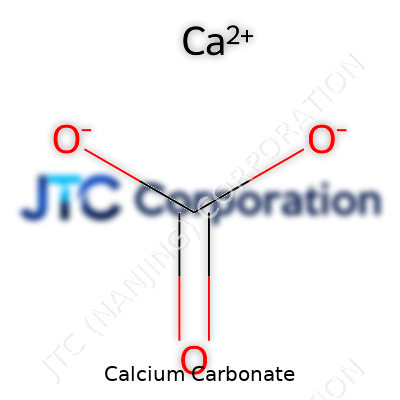
Calcium Carbonate: Roots, Roles, and the Road Ahead
Historical Development
Calcium carbonate carries a long story stretching back to Roman aqueducts and sculpted marble columns. People once crushed limestone for simple mortar; artisans carved statues of calcite marble knowing neither its chemical formula nor full potential. Alchemists later came across its reaction with acid and fizzed away trying to explain the white powder’s behavior. By the 19th century, pure calcium carbonate landed in pharmacies, chalkboards, and lime kilns, changing from a natural rock or shell to an ingredient shaped by growing chemical knowledge. Industrial chemistry brought precipitated versions for paper and plastics. After those years, its reputation grew as a backbone for construction, medicine, and everyday products, guided not by tradition but by measured understanding.
Product Overview
Calcium carbonate, CaCO3, emerges in everyday items—antacid tablets, baking powder, white paint, and even toothpaste. Mined forms such as limestone, marble, and chalk look familiar to most people, but highly pure or synthetic material comes in refined powders or granules. In tablets, it neutralizes excess stomach acid, easing heartburn. Chefs rely on food-grade variants as firming agents and source of calcium enrichment. Papermakers and plastics processors value its ability to brighten and strengthen. Producers sort it by particle size and purity, since applications in dental pastes, PVC pipelines, coatings, and animal feed demand different levels of fineness and filtration.
Physical & Chemical Properties
Dense white solid, almost flavorless and odorless, calcium carbonate feels gritty between fingers when raw and chalky in processed form. It barely dissolves in water, though trace solubility climbs in slightly acidic conditions, making it easy for rain to carve caves through limestone. Its melting point stands over 800 degrees Celsius, meaning ordinary fires can’t break it down. Calcium carbonate decomposes with heat into calcium oxide and carbon dioxide—lime burners count on this property industry-wide. Its Mohs hardness helps sculptors, while its low reactivity with many chemicals keeps its color and form stable in commercial mixes.
Technical Specifications & Labeling
Testing labs assign grades and purity levels based on calcium and carbonate content, insoluble residues, and heavy metal tests. Food and pharmaceutical suppliers provide full batch traceability and certifications against microbiological contamination. Labels show the source—natural limestone, synthesized, or marine shell—and exact calcium percentage by weight. Particle size distribution registers both as mean microns and maximum percentages above specific thresholds. Customers scrutinize moisture content, surface area metrics, and whiteness ratings, depending on whether their goal is nutritional fortification, acid neutralization, or plastic compounding. Regulatory bodies like the US FDA and European Food Safety Authority set benchmarks for permissible contaminants, identifications (such as E170 or INS 170), and safe intended uses in ingestion or topical products.
Preparation Method
Hard rock quarries blast and crush limestone, then mill and classify by air sorting and washing for ground varieties. Aquatic shell sources go through similar cleaning, drying, and grinding steps, followed by sterilization for edible forms. Precipitated calcium carbonate results from bubbling carbon dioxide through calcium hydroxide—producers carefully control agitation, temperature, and flow rate to manage crystal size and shape. After filtering and drying, powders may undergo surface treatments if destined for specialty plastics. Some facilities integrate carbon capture by sourcing CO2 from industrial emissions, reducing total greenhouse gas output from mineral cycles in cement and lime manufacture.
Chemical Reactions & Modifications
In contact with dilute acid—vinegar, stomach fluid, or lab reagents—calcium carbonate fizzes, releasing bubbles of carbon dioxide in a distinctive reaction familiar to anyone who cleaned a seashell with lemon juice. Heat splits it into lime and carbon dioxide, a process fundamental for metallurgy and glassmaking. Treatment with fatty acids coats particles to improve dispersion in nonpolar polymers. Reactive grades may undergo surface modification for compatibility in rubber or adhesive matrices. Blending with magnesium carbonate creates double salts for specialty medical uses, while doping the crystal lattice with trace elements tweaks optical, thermal, and mechanical characteristics for research and cutting-edge sensors.
Synonyms & Product Names
Trade across fields means calcium carbonate shows up under dozens of labels. Chemists call it calcite or aragonite, based on crystal structure. Industrial buyers see GCC (ground calcium carbonate) and PCC (precipitated calcium carbonate). Builders recognize whiting, chalk, or marble dust. Food labels identify it as E170, INS 170, or simply “calcium supplement.” Agriculture suppliers sell “ag lime” for pH control. Medical catalogs list it under trade names like Caltrate, Os-Cal, or Tums. Paint mixers select titanium white alternatives marked as “natural white” extender. The wide array of names reflects both source and purpose, leading professionals to always check the specifications on hand.
Safety & Operational Standards
Handling bulk calcium carbonate doesn’t seem hazardous, but inhaling dust may irritate airways and eyes. Workers in quarries and processing plants use masks, gloves, and dust extraction systems to control occupational exposure, as recommended by OSHA and local authorities. Food- and pharma-grade batches undergo batch testing for lead, arsenic, and pathogens, with recalls triggered by rare contaminations. In environmental uses, such as water treatment, dose and dispersion affect aquatic pH and ecosystem health, so application needs careful calculation. Product data sheets—that list hazard statements and first-aid procedures—help transport crews and end users manage accidents or spills safely. Training focuses on correct storage, labeling, and emergency controls, reflecting a culture of safety rather than treating a well-known mineral casually.
Application Area
People find calcium carbonate everywhere. Baking powders and nutritional supplements rely on its natural abundance and elemental calcium. Over-the-counter antacids bring quick relief with chewable tablets, helping millions each year. Painters and printers use it for opacity and cost savings. PVC pipes—rigid yet lightweight—gain extra body and stability. Farmers spread it to sweeten acidic soils, raising harvest yields and improving animal health in feed mixes. Water plant operators add it to adjust mineral balances. Even glass and ceramics industries lean on calcium carbonate for the right melting characteristics and end-product durability. Some eco-minded designers look at this mineral as a way to trap CO2 in building materials, hoping to carve out carbon-neutral pathways for cities of tomorrow.
Research & Development
Laboratories experiment with nanostructured and modified forms to boost performance in drug delivery, lightweight composites, and eco-friendly cements. Research groups study calcium carbonate as a carbon dioxide sink, considering ocean alkalinity enhancement and synthetic reef-building. Some teams push for performance in high-tech areas such as smart coatings, optical materials, and medical implants—tuning crystal morphology and surface chemistry with uncommon precision. Analytical investments explore trace contaminant detection, giving public health authorities better tools to ensure the safety of bottled and tap water. Ongoing trials compare dietary calcium sources for better consumer guidance. Open patent filings focus heavily on process efficiency, recycling of industrial byproducts, and new ways to manufacture purer or more versatile particles.
Toxicity Research
Health experts trust calcium carbonate as a food additive and medicine, given proper dosages. High doses for adults, usually over several grams daily, can raise blood calcium levels and increase risk for kidney stones, so supplement industries publish clear directions and warnings. Long-term occupational studies in quarries and plants haven’t shown strong cancer links, but persistent dust exposure risks lung irritation and—rarely—pneumoconiosis. For vulnerable communities near heavy industries, contamination with heavy metals or crystalline silica draws regulatory scrutiny. Food safety authorities continually test for allergenicity, cross-reactivity, and potential for misuse, affirming acceptable daily intakes with ongoing reviews. Environmental studies track runoff into rivers and lakes, assessing risk to fish and downstream water quality.
Future Prospects
Visionaries look to calcium carbonate as part of a new cycle bridging mineral resources, carbon management, and bioengineering. Startups investigate “green cement,” using calcium carbonate that locks in atmospheric carbon. Scientists develop living building materials seeded with microbially induced calcite, healing cracks without human intervention. Drug formulators imagine next-generation antacids and dietary supplements, built with finer control over release rates and bioavailability. Across construction, packaging, and even 3D printing, demand for high-performance functional fillers continues to shape investments in resource efficiency and advanced purification methods. With urbanization climbing and climate limits looming, calcium carbonate’s role only deepens—as raw material, technology driver, and test case for sustainable chemistry.
Familiar Roles in Everyday Life
Walk into any grocery store, dig into a bottle of antacids, or pick up a carton of orange juice and there’s a good chance you’ll find calcium carbonate listed on a label. It looks like a simple white powder, but it plays a role deeper than most folks notice. Most people know it as chalk for blackboards or classrooms, but its reputation stretches well beyond scribbles and equations.
Healthcare, Heartburn, and Honest Remedies
Years ago, my grandmother always had a small jar of antacid tablets at the kitchen table. She never called it calcium carbonate, but she counted on it after spicy meals or too much coffee. The main reason those tablets work is the way calcium carbonate neutralizes stomach acid. It brings quick relief without a long list of scary ingredients. The supplement aisle is filled with calcium pills, too. Decades of research highlight the importance of strong bones and steady nerves, especially as we age, and these tablets help many people hit their recommended daily intake.
Foundations for Construction and Agriculture
Not many drivers realize limestone gravel paving so many roads comes from the same compound. Workers crush limestone—mainly calcium carbonate—to make roads stable. Builders mix it into cement and mortar, creating the bones for houses, sidewalks, and whole cities. On the farm, finely ground calcium carbonate, or “ag lime,” gets spread over fields to improve soil. I’ve spoken to a farmer who explained how it keeps fields healthy by lowering acidity, boosting crops year after year.
Food, Drink, and a Dash of Science
People drink orange juice or non-dairy milk for calcium, but a lot of the time companies add calcium carbonate. It helps folks who avoid dairy or need an extra boost. Food scientists rely on it to keep powders from clumping, too. All those boxes of pancake mix, coffee creamers, and spices slide easily out of the shaker thanks to this simple mineral.
Cleaner Products and Brighter Smiles
Open your bathroom cabinet, and there’s likely toothpaste inside. Calcium carbonate gives many pastes their gentle grit, rubbing away stains and plaque. It shows up in certain cleaning powders for the same reason—scrubbing action without harsh scratching.
What Are the Concerns?
For all its uses, overdoing anything—especially supplements—carries risk. Too much calcium can build up in kidneys. Companies have to stick to safety guidelines. Regulations from agencies like the US Food and Drug Administration keep daily limits tight. People with health issues should check labels and talk with their doctor before using supplements with added calcium.
Better Solutions Moving Forward
Looking at alternatives matters, both in industry and health. For people with kidney trouble, doctors recommend careful monitoring of calcium intake. In farming, new research explores balancing calcium amendments with organic matter or new soil treatments, making soil healthier and crops hardier. Recycling building materials can reduce the reliance on raw limestone, balancing economic needs with the environment.
Everyday Impact, Everyday Awareness
Living in a world touched by minerals, we rarely stop to notice what’s in the products we buy or the foods we eat. Calcium carbonate works hard behind the scenes, showing up in places as familiar as toothpaste, orange juice, and the gravel underfoot. A bit more awareness about how it works, and why it’s everywhere, can help us all make smarter choices for ourselves, our families, and the land we share.
Calcium Carbonate in Daily Life: More Familiar Than You Think
Calcium carbonate doesn’t sound like something you’d find outside a lab. Yet it rests in plenty of kitchens and medicine cabinets, tucked away in antacids, calcium supplements, and some fortified foods. Most folks chew chalky tablets or take a spoonful of powder to settle their stomach or bump up their calcium. These tablets work by neutralizing extra acid in the stomach, giving quick relief to discomfort caused by heartburn or indigestion. In these moments, people want relief, not a chemistry lesson, but what they put in their body matters.
Why the Body Needs Calcium
Doctors, nutritionists, and even parents stress about strong bones and healthy teeth. Calcium stacks the odds in your favor, especially as you get older. People who skip dairy for personal or medical reasons often try to get their calcium through supplements—and it’s here that calcium carbonate gets its biggest moment.
The U.S. National Institutes of Health recommends adults aim for 1,000 to 1,200 milligrams of calcium per day. Calcium carbonate contains about 40% calcium, making it a high-value source. The gut does a decent job absorbing it, particularly if tablets show up with meals.
Is It Safe for Most Folks?
Calcium carbonate not only gets the seal of approval from the FDA as "generally recognized as safe," but it has also undergone plenty of research. Occasional use rarely causes trouble for healthy folks, provided they stick with amounts on the package or doctor’s orders.
The problems start when people load up on supplements without thinking about how much calcium crowds into their day from food and drinks. An overload can leave you with constipation, bloating, or—over the long haul—kidney stones. In some cases, too much can also make blood calcium rise dangerously high, especially for those with kidney issues. Researchers and doctors have tracked this “milk-alkali syndrome” for decades, mostly in people who go far beyond suggested daily limits.
Warnings for Certain Groups
Some people need extra caution. Folks with kidney disease, those who take certain heart or blood pressure medicines, or people with a history of kidney stones should double-check with a healthcare provider before regular use. Since calcium carbonate can interact with medications, mixing the two may lower the power of either the medicine or the supplement. For example, people on thyroid medicine or certain antibiotics need to space out doses to make sure one doesn’t cancel out the other.
Getting the Most from Your Supplements
Supplements make a lot of promises. The reality: balance always wins. The National Osteoporosis Foundation prefers food first. Dairy, leafy greens, and certain fish offer calcium, along with vitamin D if eaten as part of a varied diet. Realistically, some people still fall short and need extra help, and that’s not failure—that’s being sensible.
For people who choose calcium carbonate, real benefits come with smart habits: read labels, track what you get from meals, and don’t assume more equals better. High calcium can sneak up, especially if other supplements or antacids join the routine. Doctors or dietitians can help tailor a plan that doesn’t let things slide unnoticed.
Practical Steps Forward
If you think you need more calcium, start by reviewing your diet. Keep notes for a week, or use an app that tracks nutrients. Consider a basic blood test to see current calcium levels. If you go the supplement route, stay near the daily maximum (2,500 milligrams for adults under 50, 2,000 milligrams for older adults, as advised by the Institute of Medicine). Check in with a healthcare professional if you take prescription medicine, have health conditions, or need tailored advice.
Calcium carbonate does the trick for many, but the real power comes in applying common sense, self-awareness, and a bit of expert help.
Why People Take Calcium Carbonate
Calcium carbonate shows up in many medicine cabinets. Most folks know it as the main ingredient in antacids. Doctors also point to it as an easy way to boost calcium for bone health. You find it over the counter in chewable tablets with bright labels. Folks trust it to settle an upset stomach after spicy food, and many use it daily for osteoporosis prevention.
Common Side Effects and Real Experiences
Most people don’t think twice before popping a few calcium carbonate chewables, because the pills rarely cause big problems at low doses. Hardly anyone talks about mild belly discomfort, but after years of eating chalky tablets after pizza or burritos, I started noticing new issues. Constipation creeps up the most for regular users. The stomach can get sluggish and sometimes gassy.
It’s easy to see why older adults, already prone to constipation, need to watch how many calcium chewables they take. Several studies back this up. For example, research from the National Institutes of Health confirms that constipation stands out as the most frequent complaint among long-term users.
Too Much of a Good Thing
Too much calcium carbonate in the system, especially when taken without much water or food, introduces a new round of risks. If a person takes far more than the recommended dose, or combines it with other calcium-rich products, blood calcium levels can rise to unhealthy levels—a condition called hypercalcemia.
Symptoms of hypercalcemia may seem vague at first. Nausea, confusion, loss of appetite, and vomiting show up for some people. The danger stretches beyond uncomfortable stomach issues: the kidneys sometimes take a hit, working overtime trying to clear out the overload. I’ve seen a few older clients end up with kidney stones or early kidney trouble after mixing high-calcium diets, vitamin D supplements, and regular antacids.
Drug Interactions and Heart Warnings
It’s easy to forget that something as simple as a chewable antacid can get in the way of how some medications work. Calcium carbonate blocks the absorption of certain antibiotics, thyroid medicines, and even iron supplements. Skipping this detail in a doctor’s visit can lead to treatment failures. Most doctors recommend spacing out these medications by a few hours to keep bigger problems away.
For people with heart concerns, too much calcium can sometimes trigger rhythm issues. This usually needs massive doses, but even moderate supplements can tip the balance for people with fragile heart rhythms or kidney disease.
Staying Safe with Supplements
Ask any pharmacist or family doctor—timing, dose, and personal medical background all matter with calcium carbonate. Get calcium mostly from food, lean on supplements when the diet falls short, and keep an eye on the dosage printed on the bottle. Regular check-ins with a care provider help spot problems before they go further. Anyone with kidney problems or on several medications should double-check before reaching for over-the-counter tablets.
Relying on honest conversations with health professionals helps everyone avoid surprises. By paying attention to side effects and not brushing off warning signs, we can keep the benefits of calcium supplements while dodging the risks.
Why Getting Enough Calcium Matters
Most folks have heard something about calcium being important for bones. It helps keep teeth and bones strong, backs up muscle function, and keeps nerves firing properly. For a lot of people, meeting daily needs just with food feels tough—lactose intolerance, plant-based diets, or just plain picky eating can make it awkward. That’s where supplements come in, especially calcium carbonate.
How the Body Handles Calcium Carbonate
Compared to other forms, calcium carbonate provides a good chunk of actual calcium per pill. The twist: it works best when there’s stomach acid to help break it down. After a meal, the stomach juices kick in and get to work, making calcium easier to absorb. Taking these pills on an empty stomach doesn’t deliver the same result.
Common Mistakes and Pitfalls
Many people just pop the pill with their morning coffee or orange juice and move on with their day. Problem is, caffeine in coffee and lots of acid in juice don’t mix too well with calcium. Coffee can pull calcium out of the body, and acid-rich juices might upset your gut if you’re prone to heartburn. Water and a meal tend to work better.
Some folks try to make up for missed days by doubling up. The body can’t absorb large amounts at once; anything more than 500 mg just washes through. Spacing doses through the day brings more benefit with less waste.
Who Should Pay Closer Attention
Anyone with kidney issues or a history of kidney stones needs to talk to a health professional before adding supplements. Extra calcium running through the body can build up or settle out in the wrong spots, causing even more trouble. People on thyroid medicine or antibiotics like tetracycline run into absorption conflicts, too. The best move is to space these medicines apart by a few hours, if both need to stay on the schedule.
Supporting Claims with Research
The National Institutes of Health points out that adults require around 1,000 to 1,200 mg of calcium daily. Most diets give only about 700-800 mg. Dairy, leafy greens, and fortified drinks help, but not everyone can rely on these sources. Multiple studies suggest that calcium carbonate, when used consistently with food, lifts calcium numbers just as efficiently as dietary sources.
Still, research flags risks if supplements become the main source. Overdoing it has links to heart and kidney issues. Using calcium for bone health works best alongside weight-bearing exercise, enough vitamin D, and not just relying on bottles of pills.
Simple Steps to Get the Most From Each Dose
Eat before taking the supplement—stomach acid from eating helps break down the tablet. Split large amounts across breakfast and dinner rather than swallowing everything at once. Avoid taking with coffee, tea, or antacids. Read the label, measure what you’re really getting, and talk to a health professional if you’re already taking medicine that might get disrupted by extra minerals.
Around the world, more people go about their day low on calcium than realize it. Being mindful about how and when those supplements go down helps avoid wasting money, keeps bones supported, and reduces chance of side effects. Even payday can come and go, but strong bones pay off for life.
Not As Innocent As It Looks
Calcium carbonate shows up everywhere. Doctors hand it out for heartburn, and it fills aisle after aisle of antacid tablets and chewable supplements. I remember my own parents kept a bottle of chalky tablets by the dining table, popping a couple after anything remotely spicy. Many folks assume it’s just another simple mineral, rarely giving a second thought about mixing it with other medicines.
Blocking More Than Just Acid
Most people don’t realize how calcium carbonate can affect other medications. The issue centers on absorption. Calcium loves to bind with dozens of compounds, sometimes forming complexes too large for the gut to absorb. Some antibiotics, such as tetracyclines and fluoroquinolones like ciprofloxacin, get caught in this net. Take the antibiotic and a calcium tablet together, and much less of that drug makes it into your bloodstream. I’ve seen cases where infections linger because a patient washed every pill down with a glass of milk or a handful of antacids.
Acid Control and Stomach Chemistry
Calcium carbonate fights acid in the stomach. While this gives relief for heartburn, it also changes the pH environment. Many medicines count on a certain amount of acid to dissolve properly. Medications for the thyroid and some drugs for osteoporosis struggle to become effective in this new landscape. Levothyroxine, a common thyroid pill, often loses punch if taken too close to calcium supplements and people with thyroid conditions may notice their symptoms creeping back despite regular medication.
Mineral Competition
There’s a real turf war going on inside the digestive tract. Calcium, magnesium, iron, and zinc all compete for the same channels of absorption. A calcium tablet at the wrong moment can crowd out the iron in a multivitamin, or the magnesium in a laxative. For folks trying to treat anemia or manage muscle cramps, this bit of timing can spell the difference between recovery and frustration. Doctors sometimes forget to flag this, and it’s easy to imagine the confusion it causes after weeks on a supplement with little to show for it.
Stories From the Clinic
At my local pharmacy, I watched a woman try to understand why her blood pressure pills seemed weaker. Calcium carbonate can raise blood calcium levels, which sometimes interferes with certain blood pressure drugs (like calcium channel blockers). Most pharmacists want to help, but they don’t see every detail of a patient’s medication routine the way a caregiver at home might.
Better Communication and Smarter Timing
Facts are clear: Taking calcium carbonate at the same time as certain medications strips both of their full benefits. The best move is to put two hours between calcium and other essential pills. Prescribers and patients both carry responsibility here. Doctors should ask about supplements more directly. Patients deserve clear instructions — not just the fine print on a label, but practical tips for their daily routine.
Learning From Everyday Experience
Many people struggle because no one talks about these everyday conflicts. I’ve missed a day’s worth of medicine before, thinking I was doing everything right. But understanding these drug and supplement interactions protects your health more than any brand label or catchy jingle ever could.
The Takeaway
Don’t let a daily supplement undercut the medicines you count on. Ask questions, check with a pharmacist, and keep calcium carbonate away from your critical pills by at least a couple of hours. Details matter in real life — not just in medical textbooks.